
Let's Talk About Sex....Inclusively
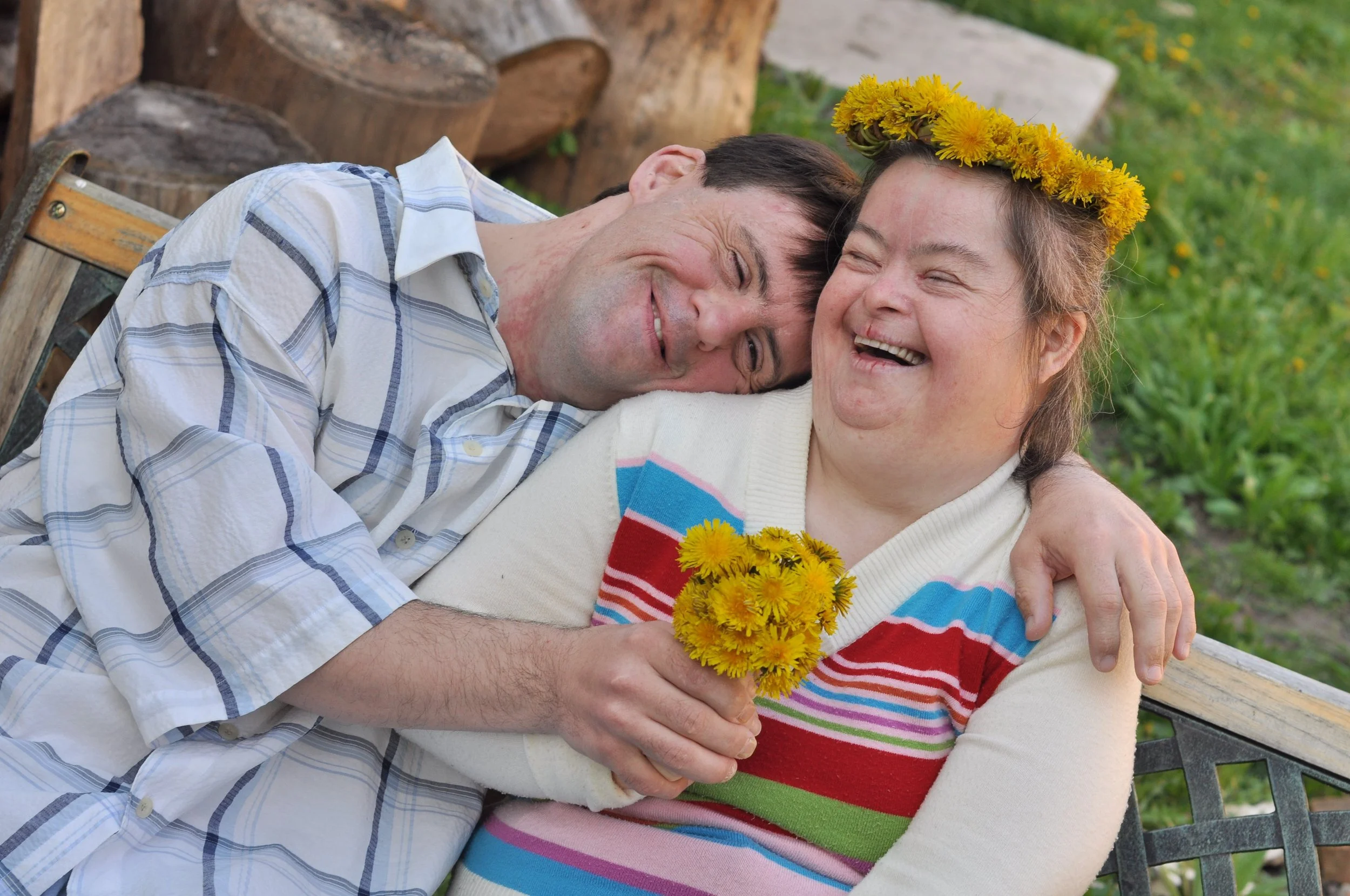
As we gear up to get started with more healthy relationship education workshops for neurodivergent teens and adults, I wanted to address common concerns participants and their parents or guardians often bring up.
Do we adapt our teaching style to such a large variety of learning styles, needs, identities, and ages.
The short answer is YES! Everyone deserves access to clear, accurate, and developmentally appropriate sex and relationship education. Heart is set up in a way to allow for flexibility, with multiple different types of services to fit different needs. Group settings may not be for everyone, but we also offer 1:1 services and caregiver training that can be more adaptable to each person’s needs. Below are some ways Heart adapts all of our programs to fit the needs of as many people as possible.
We don’t just talk at you. Learning doesn’t just happen verbally. We use a variety of ways to teach, including:
Visual aids
Handouts to take home
Videos
Art and crafts
Role playing
Games
2. We take executive function into account. Information is broken down into more manageable sizes and we review information multiple times to improve retention. We don’t expect everyone to simply sit still and listen, that’s pretty unrealistic for someone who is neurodivergent. This isn’t meant to feel like school, more like an engaging conversation.
3. We go at your pace. For therapy and 1:1 services, there is no hard deadline for when you have to have it all “figured out”. We will set realistic goals and identify your strengths to tap into, as well as areas you may be aware of that could use more support.
4. We honor communication differences. Not all communication happens verbally. If you need an AAC device, or to type or write things out, we will work with you. Explanations are adjusted to each person’s learning level, language is used that our clients can relate to and connect with, and we will check in on your learning and progress to adjust when needed.
5. We create a safe and non-judgmental space. Talking about topics like relationships, sex, and trauma can be hard. We are here to simply be with you, listen to you without judgment, and ensure that you get your questions answered. We do not use any behavioral modification strategies, in therapy or in education, and focus on empowering individuals to identify and share their own goals, values, and boundaries.
Adapting sexuality and relationship education isn’t an extra feature—it’s a core value. People with disabilities deserve education that truly meets their needs and honors their right to understand their bodies, relationships, and boundaries.
When teaching is accessible, respectful, and individualized, people gain real tools for independence, safety, and meaningful connection.